
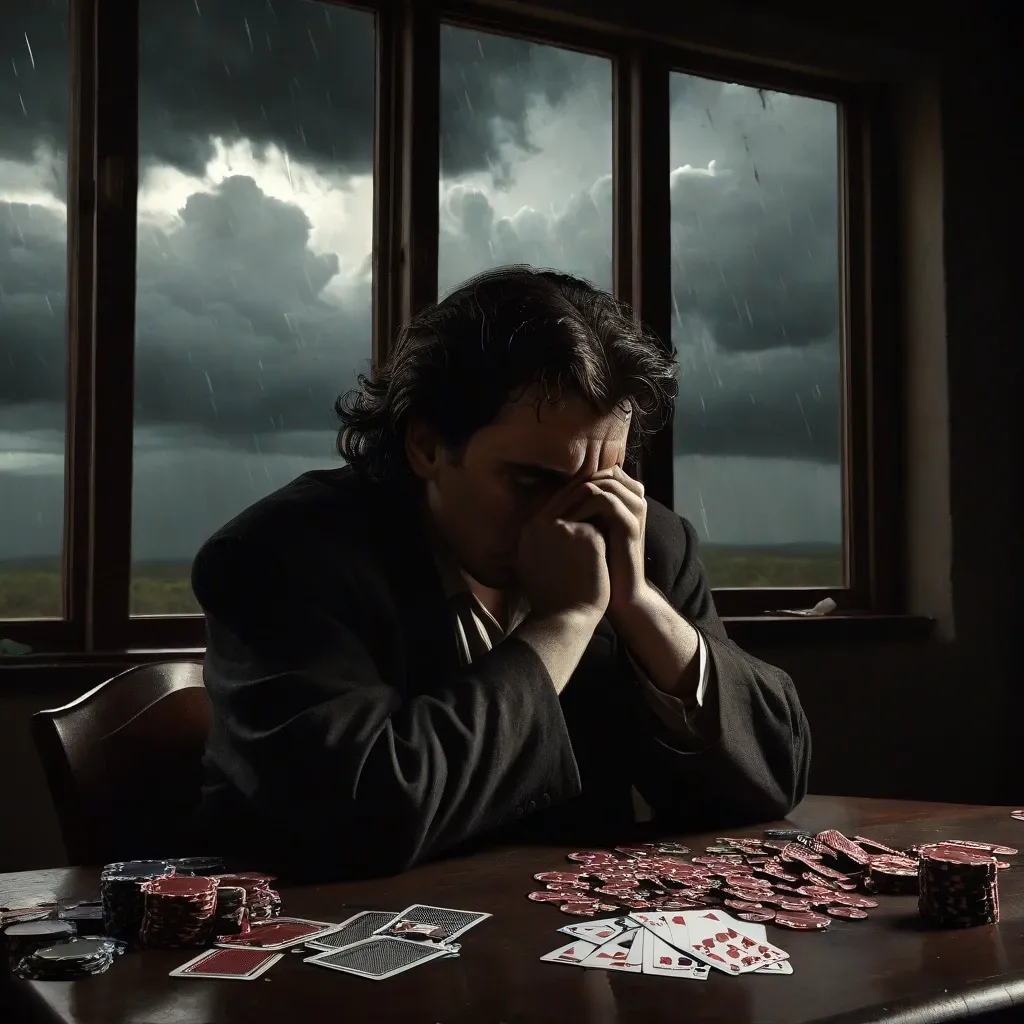
Ever placed a bet with a clear strategy, a pocket full of hope, and watched it evaporate faster than morning mist on a hot day? It’s a common, frustrating tale for many. We step into the world of betting with the intention of smart financial play, yet somehow, the numbers on our account statements seem to dance a rapid descent. You’re not alone if you’ve found yourself asking, “Why do bettors lose money so quickly?” This isn’t just about a string of unfortunate outcomes or a sudden turn of bad luck. The reality is, behind those jarring gambling losses and why gamblers often fail, lie consistent, often overlooked, betting pitfalls. This article cuts through the noise, dissecting the core reasons behind this quick financial loss in betting. Get ready to uncover the hidden mechanics that lead to depletion and, more importantly, arm yourself with the insights and actionable strategies that seasoned pros use to navigate these treacherous waters, turning potential quick losses into a more sustainable journey.
The Speed of Losses: A Welcome to Reality
Forget the slow creep of market downturns; gambling losses aren’t a gradual erosion, they’re a spectacular implosion. Imagine your carefully built bankroll evaporating before your eyes, a phenomenon so swift it leaves you reeling. Unlike the steady, sometimes glacial, decline of traditional investments, rapid betting losses can strike with astonishing speed. This isn’t just bad luck; it’s often the predictable outcome of ingrained behaviors and inherent flaws within the betting system itself. The shock of such quick gambling financial decline is a stark, unwelcome introduction to a reality many are unprepared for, highlighting just how fast betting outcomes can pivot from hopeful wins to devastating losses.
Reason 1: The Hope Trap – Betting on ‘What Ifs’
It’s an easy trap to fall into, this whole ‘hope’ thing when it comes to betting. You know, that fuzzy feeling that whispers, “Just one more bet, and then it’ll all turn around.” This isn’t about having a solid plan; it’s about betting on ‘what ifs,’ letting misplaced optimism cook up a storm in your decision-making. Suddenly, rational thought takes a backseat, and you find yourself embracing poor strategy, cranking up the risk factor because you’re convinced a big win is just around the corner. It’s a sneaky culprit, this hope trap betting. Instead of sticking to a calculated approach, gambling optimism can lead you down a rabbit hole of increasingly risky wagers. Ever seen someone double down after a string of losses, not based on logic, but on the sheer, unshakeable belief that a win is ‘due’? That’s betting on what ifs in action. It’s pure emotional betting, where the ‘should be’ overrides the ‘is.’ Your bankroll might start dwindling, but your hope? That’s just getting bigger. Someone might say, “I’ve lost five times in a row, the next onehas* to be a winner,” and then they’ll bet an amount that makes their previous wagers look like pocket change. This isn’t some grand strategic move; it’s just… hope. And spoiler alert: hope vs strategy is a losing battle every single time.
Hope vs. Strategic Planning
Let’s get real about what’s happening here. ‘Hope’ in the betting world is that desperate lunge for a win when things aren’t going your way. It’s the urge to ignore your pre-set stop-losses after a bad run, or the impulse to suddenly increase your stakes because you justfeel* it. It’s pure emotional decision making gambling. On the flip side, a ‘strategy’ is a set of written rules, a clearly defined limit for your bankroll, and actual, tangible profit targets. It’s about having a plan, a disciplined approach rather than wishful thinking. Think of it this way: a hopeful bettor sees a losing streak and thinks, “I’ll bet double next time to catch up!” A strategic bettor sees the same streak and thinks, “Okay, I’m at my limit for today, I’ll re-evaluate my approach tomorrow.” It’s the stark difference between a wild guess and a carefully mapped-out journey, the essence of hope vs strategy and why a planned betting strategy almost always trumps the latter when it comes to rational betting.
Reason 2: Chasing Losses – Mathematically Doubling Down on Mistakes
It’s a trap many fall into, a siren song whispered by desperation: “just one more bet to get it all back.” This is the essence of chasing losses, a notoriously dangerous game in betting that promises recovery but delivers mathematical ruin. When you’ve lost money, the urge to recoup those funds can be overwhelming. The common, albeit misguided, approach is to increase your stakes or place riskier bets. You might double down after a loss, hoping to quickly erase the deficit. However, the reality is that this strategy doesn’t just multiply your potential gains; it exponentially crunches the odds against you. It’s like trying to dig yourself out of a hole by digging a much deeper one. The psychological allure of rapid recovery blinds people to the brutal mathematical landscape they’re entering, where simple wins become insufficient to undo past missteps.
The Exponential Math of Recovery
Let’s break down the pure math behind why chasing losses is a losing game. It’s not simply about winning back what you lost; it’s about the percentage gain required to do so. Lose $100? You need to win $100 to break even. That’s a 100% gain on yourremaining* capital if you started with $200, or a 33.3% gain from zero if you’re trying to recoup from a hypothetical starting point. But the numbers get ugly fast. Lose 25% of your bankroll, say $100 from $400, and you now need to win $100. That’s a 33.3% gain on your remaining $300. Lose 50%, like $200 from $400, and to get back to your original $400, you need to win $200. But now you only have $200 left, so you need a 100% gain on that $200. Suddenly, you’re not just aiming for a modest win; you’re gambling on enormous returns just to get back to square one. Each subsequent loss makes the required profit margin for recovery astronomically larger, turning a simple betting stop-loss into an almost impossible mathematical hurdle. It’s not a matter of getting “lucky” enough to hit those improbable odds; it’s about the compounding loss effect making the math inherently stacked against you.
Reason 3: Neglecting Bankroll Management – The Foundation Built on Sand
Let’s be brutally honest. You can have the sharpest betting strategies known to humankind, a sixth sense for spotting value, and an analytical brain that rivals a supercomputer – but if your bankroll management betting is shaky, you’re essentially building your empire on quicksand. It’s not just about making profits; it’s about survival. Without a proper grasp of managing betting funds, even the most brilliant approach will crumble faster than a sandcastle in a hurricane. This isn’t about advanced calculus; it’s about fundamental betting capital allocation and a healthy dose of betting financial discipline. Think of your bankroll as the lifeblood of your entire operation. Starve it, and everything else dies with it. It’s that simple, yet so often overlooked. The chaos of inconsistent wins and losses can quickly turn into sheer panic if you don’t have a clear plan for how much you’re willing to risk and when you’re ready to walk away, wins or losses.
Key Principles of a Solid Bankroll System
So, what makes a bankroll system not just ‘a’ system, but a ‘solid’ one? It comes down to a few non-negotiable pillars that act as your anchors in the often-turbulent seas of betting. Let’s break them down:
- Define Your Starting Bankroll: This is the Everest you’re going to climb. It’s the total amount of money dedicated solely to your betting endeavors – money you can afford to lose without impacting your life.
- Establish a Session Bankroll: Think of this as your daily allowance. It’s a portion of your total bankroll for a single betting session or day. This is crucial for controlling emotional decisions.
- Implement a Betting Stop-Loss Limit: This is your emergency brake. A typical rule of thumb, and a wise one at that, is to set a limit of 5-10% of your session bankroll. Hit that threshold, and you stop. No exceptions. It’s about preventing a bad day from becoming a catastrophic one.
- Set Realistic Profit Targets: While we all chase the big wins, having a betting profit target, say 5-10% of your session bankroll, provides a positive exit point. It encourages you to bank wins and avoid the tempting ‘just one more’ that often erodes gains.
- Master Your Bet Size Percentage: This is where the real magic happens. Your bet size percentage should be a tiny fraction of your session bankroll – often as low as 1-2%. This minuscule stake ensures that even a string of bad luck doesn’t decimate your capital. It’s the fundamental principle of not putting all your eggs in one basket, amplified.
These aren’t suggestions; they’re the bedrock. When the adrenaline is pumping, and you’re on a hot streak or nursing losses, the urge to deviate is immense. But this is precisely when your discipline, fueled by these pre-defined rules, must take over. Adhering to your session bankroll rules prevents emotional decisions from derailing your progress. It’s this rigid adherence to your bet size percentage and your betting stop-loss that separates the long-term survivors from the flash-in-the-pans. Aim for 5-10% for stop-loss and profit targets because it offers a balance: enough flexibility to absorb minor swings without being so large that a few unlucky bets wipe you out. The 1-2% bet size? That’s pure survival insurance, ensuring you can weather storms you never saw coming.
Reason 4: Lack of a Defined Strategy & Discipline
Diving headfirst into the betting world without a clear map and a firm hand on the wheel is a fast track to financial shipwreck. It’s all too easy to get swept away by excitement or what feels like a brilliant ‘gut feeling’ – that sudden urge to plonk some cash on something that justseems* right. But that kind of betting, driven by pure instinct, is rarely sustainable. A real betting strategy isn’t born in the heat of the moment; it’s crafted when your mind is calm and clear, long before you even think about placing a wager. It’s about having concrete betting rules that you’ve written down, a structured approach that acts as your guide. Without this, especially the crucial element of gambling discipline to actually stick to your following a betting plan, you’re essentially gambling with your money rather than strategically investing it.
The Strategy vs. Spontaneity Dilemma
The core of this issue lies in the constant tug-of-war between a structured betting plan and the allure of impulsive betting. Think about it: a disciplined strategy might dictate that you only bet on football matches where your pre-game analysis meets specific criteria, perhaps focusing only on goal over/under markets with odds above a certain threshold. It’s about laying down the law before the game even begins. Contrast this with someone who sees a tempting odds shift or a vague tip from an online forum and places a bet on a whim. This reactive gambling decision making completely bypasses any thoughtful approach. The real challenge of betting rules adherence isn’t just about writing the rules; it’s about having the mental fortitude to honour them, especially when emotions are running high and the temptation to ‘just this once’ is screaming at you.
Reason 5: Misjudging Odds & Information Gaps
One of the most common ways people stumble and lose money in betting orbits around a fundamental misunderstanding of the odds or simply not having all the pieces of the puzzle. It’s like flying blind. When we talk about misjudging odds betting, it’s not just about picking a winner; it’s about spotting genuine betting value assessment. This means betting when you genuinely believe the perceived odds are more generous than what the bookmaker is offering. Too often, bettors get caught up in wishful thinking, overestimating their own sharp insights into spotting this elusive value, or, more critically, massively underestimating the inherent edge the bookmaker builds into their lines. These gambling information gaps are potent destroyers of bankrolls. True informed betting requires a deep dive, a relentless pursuit of knowledge about the sport or event you’re wagering on. Without that solid foundation, odds analysis becomes guesswork, and guesswork in betting rarely pays off.
The Illusion of Expertise and Real-World Data
Many fall prey to the betting expertise illusion, where gut feelings and a surface-level glance at recent results trump actual sports betting research. Imagine someone betting on a football match solely because their favorite team won their last game, completely ignoring the fact that their star striker is injured, their opponent has a dominant head-to-head record, and their tactical approach is a nightmare matchup. This is the antithesis of data-driven betting. Contrast this with a bettor who meticulously pores over injury reports, analyzes historical performance against specific opponents, and considers the nuanced tactical battles on the field. This second approach, grounded in informed betting decisions, is what separates the consistent winners from the unfortunate, the impulsive losers.
Reason 6: Emotional Decision-Making & Cognitive Biases
Ever found yourself making a bet because you justfelt* it was right, even when the stats screamed otherwise? You’re not alone. The world of betting is a minefield of psychological traps, where our emotions and ingrained cognitive biases can conspire to lead us down a path of irrationality. These aren’t minor glitches; they’re significant drivers behind why so many betting funds evaporate faster than a puddle on a hot day. Understanding these mental potholes is crucial for anyone looking to make more strategic, less impulsive decisions.
Common Cognitive Traps for Bettors
Let’s face it, our brains are wired with shortcuts, and in betting, these can seriously backfire. Take the infamous gambler’s fallacy. Picture this: a roulette wheel has spun black seven times in a row. A gambler might think, “It’sgot* to be red next!” But here’s the kicker – each spin is an independent event. The wheel has no memory. Then there’s confirmation bias. If you’ve got a hunch about a particular horse, you’re likely to actively seek out articles or opinions that tout its chances, while conveniently ignoring anything that suggests it might not win. It’s like wearing blinkers – you only see what you want to see. Even the bandwagon effect can sneak in, where you’re more inclined to bet on a team or outcome simply because everyone else is doing it, rather than through your own analysis.
Reason 7: Underestimating the House Edge & Variance
One of the biggest hurdles for aspiring sports bettors is a fundamental misunderstanding of the house edge explained and betting variance. Think of the house edge as the sportsbook’s guaranteed, albeit small, mathematical advantage baked into every bet. It’s a certainty over time, like taxes. While variance can lead to wild swings – you might hit a few lucky winners or endure a brutal losing streak – this is just noise. The house edge is the constant, gradual drain that chips away at your bankroll unless you possess a significant, sustainable edge of your own. Over thousands and thousands of bets, this built-in advantage of the bookmakers ensures their profitability. It’s not about a single bet; it’s about the cumulative effect across countless wagers. Without a deep understanding and respect for this disparity, even seemingly skilled betting approaches can crumble under the weight of the inherent sportsbook advantage, making long-term betting profitability an elusive dream.
The Long Game: House Edge vs. Your Strategy
This is where the rubber meets the road in sports betting. A disciplined player understands this dynamic and focuses on minimizing exposure, trying to survive long enough for their superior knowledge or strategy – their potential edge – to break through. They’re playing the long game, aiming to slowly chip away at the house edge. Conversely, the hopeful player, perhaps misunderstanding the mathematical certainty of the house edge and the unpredictable nature of managing betting variance, might chase losses or overextend on risky bets, inadvertently maximizing their exposure. The ultimate goal of overcoming the house edge isn’t to beat it on every bet, but to have a skill or insight that creates a positive expected value over the sports betting long term, thus allowing you to endure the variance and eventually profit.

Reason 8: Ignoring the AI Search Landscape
The way we find information online is fundamentally shifting, and frankly, burying your head in the sand about AI search is a risky game. Imagine AI models acting like super-powered researchers, scanning the web for the most relevant, digestible information. If your content—especially anything related to betting principles or strategies—isn’t easily discoverable and understandable by these AI systems, it’s going to be like shouting into a hurricane. AI search betting is becoming a primary way people find answers, and content that isn’t structured for AI citability might just get lost in the noise. This isn’t just about missing out on some futuristic tech; it’s about ensuring your insights, your expertise, and your clear guidance on betting are actually seen and correctly interpreted by a growing segment of searchers. Failing to optimize for AI search visibility means you’re inadvertently making your valuable information less accessible, undermining your authority in this rapidly evolving landscape.
Structuring Content for AI Citability
To navigate this new terrain, think about making your content AI-friendly. This means ditching the rambling intros and getting straight to the point. Using a BLUF (Bottom Line Up Front) approach in your sections is a fantastic move. Clear, descriptive headings act like signposts for AI, guiding it to the juicy bits. When you format information logically—think bullet points, clear paragraphs, and direct answers—you’re essentially doing the AI a massive favor. This kind of AI content structure doesn’t just benefit the algorithms; it’s a win-win for your human readers and standard SEO practices too. Making your structured betting advice easy to extract ensures your content is likely to be surfaced and cited, giving you that crucial edge.
Reason 9: Inconvenient Truths – Unwillingness to Stop
Ah, the siren song of ‘just one more bet.’ It’s a classic, isn’t it? We meticulously craft our betting strategies, set our profit targets, and brace ourselves with those crucial stop-loss levels, only to watch them crumble like a sandcastle at high tide when the inevitable “unwillingness to stop betting” kicks in. This isn’t about bad luck; it’s about a fundamental misunderstanding of what it means for a betting session to truly be over. The ego flares up, whispering sweet nothings about imminent comebacks or even bigger wins. Impatience takes the wheel, eager to push a good thing just a little bit further. But here’s the kicker, the inconvenient truth: the session endingis not* a failure—it’s the system working exactly as intended. The real failure, the truly costly misstep, is innot* stopping when the established rules say it’s time. Ignoring that stop loss or blasting past your profit target isn’t a sign of grit; it’s a one-way ticket to diminishing returns and a testament to how easily ego can derail even the most sensible plans. Betting session end isn’t an enemy; it’s a carefully designed off-ramp.
The System is Working: Embracing Session End
Picture a seasoned bettor. They hit their profit target, a cool, collected nod, and they’re out. Done. Their betting system execution remains pristine because they understand the power of closing the books while they’re ahead. They don’t chase unicorns or linger hoping for lightning to strike twice. Now, contrast this with the unfortunate soul who, after a string of wins, decides, “Why stop now? There’s more money to be made!” They ignore their stop loss adherence, pushing their luck until those hard-won gains evaporate, often leaving them in a worse position than before. This isn’t just about luck; it’s about discipline in betting. Embracing the session end, whether it’s a win secured by a profit target or a loss contained by a stop loss, is the bedrock of long-term survival. It’s the system working, signaling that it’s time to be done, and the truly skilled bettor respects that.
Replacing Hope with a System: Your Actionable Blueprint
Tired of the rollercoaster of emotions that comes with betting driven by hope rather than a plan? It’s time to ditch the wishful thinking and build yourself a robust betting system blueprint. This section is all about equipping you with actionable betting advice so you can effectively replace hope with a system. We’re talking about instilling a true discipline betting strategy that not only aims for wins but prioritizes sustainability and responsible gambling. Forget chasing losses or making impulsive decisions. Instead, commit to a structured approach that transforms your betting sessions from guesswork into calculated moves. This isn’t about predicting the unpredictable; it’s about controlling what you can and building consistent, albeit gradual, growth. Think of it as cultivating a garden: small, consistent actions – like achieving a modest 5-10% gain daily – lead to significant compounding over time. This disciplined framework is your key to reducing anxiety and fostering a more predictable, profitable betting experience.
Step-by-Step System Implementation
Ready to solidify your approach? Let’s break down how to implement your betting system. Start by defining your total bankroll – the absolute maximum you’re prepared to risk. From there, set your session bankroll for the day. This is crucial for managing risk within each betting period. Next, establish your non-negotiable stop-loss and a realistic profit target for that session. These act as your boundaries, preventing excessive losses or premature conclusions to winning streaks. Finally, determine your bet size, often expressed as a percentage of your current bankroll. Write these five parameters down: Total Bankroll, Session Bankroll, Stop-Loss, Profit Target, and Bet Size. Treat them as inviolable rules. A simple checklist would look like this:
- Total Bankroll: $_________
- Session Bankroll: $_________
- Stop-Loss Threshold: $_________ (or % of Session Bankroll)
- Profit Target: $_________ (or % of Session Bankroll)
- Bet Size: $_________ (or % of Session Bankroll per bet)
Commit to these numbers before you place a single wager. The ultimate goal is not just to win individual bets, but to consistently follow your betting setup guide and maintain your consistent betting approach, building a reliable daily betting routine.
The Math of Survival and Sustainable Success
The lure of a big win can be intoxicating, but when the dust settles, the reality of betting often boils down to cold, hard numbers. Rapid losses aren’t usually down to sheer bad luck; more often, they’re the predictable consequence of neglecting the fundamental math. Hope, while a powerful human emotion, is a terrible betting strategy. Chasing losses is a mathematically bankrupt endeavor, a sure-fire way to watch your bankroll evaporate faster than a puddle in the desert. Sustainable betting success, the kind that allows you to keep playing and potentially profit over the long haul, isn’t about luck. It’s a rigorous discipline, a carefully constructed strategy, and a systematic approach to managing your resources. The true aim isn’t to win every single bet, or even every session. It’s about survival – about staying in the game long enough for the probabilities, when managed correctly, to eventually tilt in your favor. Take control of the numbers, and you take control of your betting destiny.